

 FR
 ES
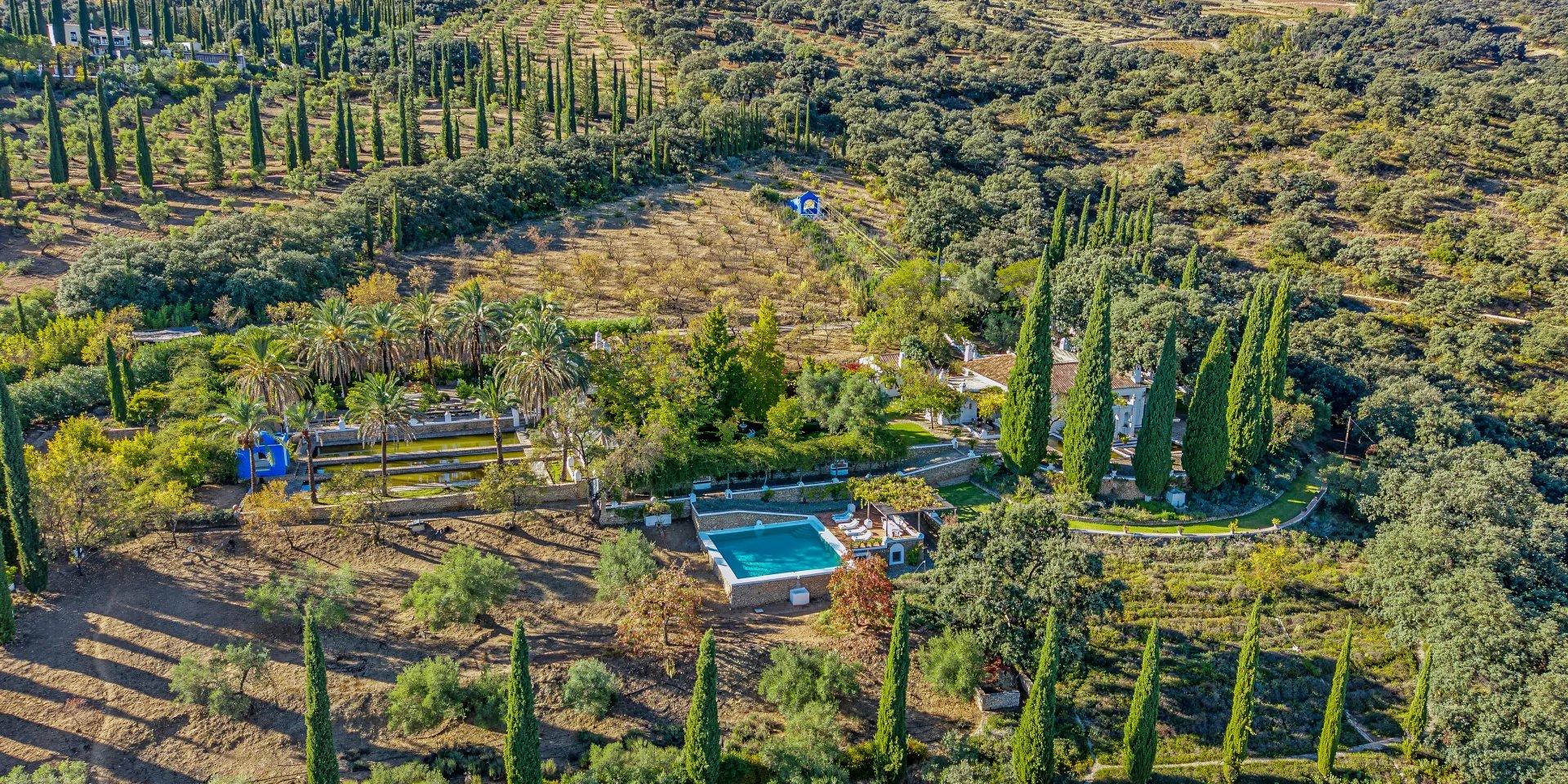
Buying a plot in Marbella and building a villa to your own design is one of the most rewarding ways to own property on the Costa del Sol, but it is also the route that demands the most preparation. Unlike buying a finished home, the value of a plot depends on what can legally be built on it, how long that will take and what it will cost. This guide explains how land is classified in Andalusia, the checks to make before you commit, how to approach budgets and timelines, and where plots tend to come onto the market.
In this article
- Why buy a plot rather than a finished villa?
- How land is classified in Andalusia
- Essential checks before buying land
- Purchase costs, taxes and building budget
- From plot to finished villa: a realistic timeline
- Where plots come onto the market
- Frequently asked questions
- Find the right plot with BARNES Marbella
Why buy a plot rather than a finished villa?
Buyers choose land for three main reasons: to obtain a home designed precisely around their way of life, to secure a specific location or view that rarely comes to market as a finished property, and to benefit from contemporary construction standards in insulation, energy efficiency and home technology. The trade-off is time and involvement: a self-build project typically requires an architect, a builder, a project manager and close coordination with the town hall.
If you would rather move in sooner, a recently completed home can offer similar quality. Our guides to contemporary villas in Marbella and buying a new-build property compare both routes.
How land is classified in Andalusia
Urban planning in Andalusia is governed by Law 7/2021 of 1 December on the promotion of territorial sustainability (known as LISTA), which distinguishes two basic classes of land: urban land (suelo urbano) and rustic land (suelo rústico). Each municipality then sets out, through its own planning instruments, what may be built on each parcel: permitted use, buildable area, height, setbacks and plot coverage.
For a buyer the practical consequence is simple: a plot is only worth what its planning status allows. Before signing anything, ask for written confirmation of the plot's classification and building parameters from the town hall, and have them reviewed by an independent architect and lawyer.
Essential checks before buying land
A thorough due diligence on land usually covers:
- Land Registry and Cadastre: an up-to-date nota simple from the Registro de la Propiedad to confirm ownership, boundaries and any charges, and a comparison with the cadastral description.
- Planning report: the town hall's information on classification, buildability and any pending planning changes affecting the plot.
- Topography and soil: a survey and geotechnical study, especially on hillside plots, where foundations and retaining walls can significantly affect the budget.
- Access and services: road access, water, electricity and sewerage connections, and their cost if they are not yet in place.
- Community rules: in gated urbanisations, architectural guidelines and community statutes may add requirements on design, materials or construction hours.
Many of these checks overlap with those for any purchase; our article on the pitfalls of buying property in Spain explains how to avoid the most common mistakes.
Purchase costs, taxes and building budget
When you buy a plot from a private owner, the purchase is generally subject to the transfer tax (ITP), set at 7% in Andalusia for resale property. When the seller is a developer or a business, VAT and stamp duty (AJD, 1.2% in Andalusia) may apply instead; your lawyer will confirm which regime applies to your transaction. Notary, land registry and legal fees are added in both cases. Our guide to the costs of buying property in Marbella details each item.
The building budget deserves equal attention. Beyond construction itself, allow for architect and engineering fees, the building licence and associated municipal taxes, utility connections, landscaping, pool and a contingency reserve. Asking two or three builders to price the same detailed project is the best way to obtain a realistic figure.
From plot to finished villa: a realistic timeline
Every project is different, but most follow the same sequence:
- Search, reservation and due diligence on the plot.
- Purchase before a notary and registration in your name.
- Design phase with your architect, including the basic and execution projects.
- Application for the building licence (licencia de obras) at the town hall.
- Construction, followed by the certificate of completion and the first-occupation documentation.
Licensing times vary between municipalities and depend on the complexity of the project, so it is prudent to build generous margins into your planning. The general steps of the purchase are summarised on our page about the process of purchasing real estate.
Where plots come onto the market
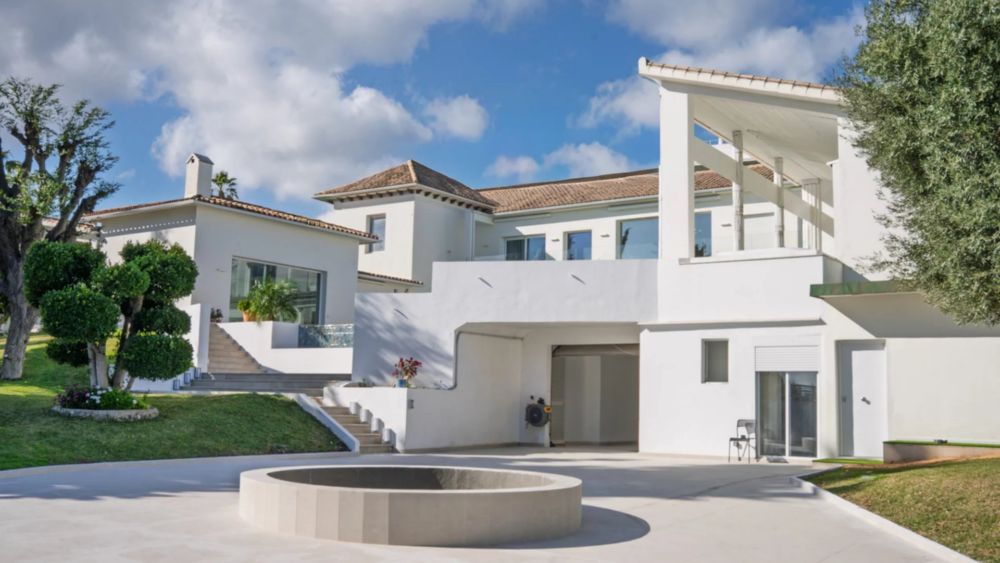
Building land in Marbella is scarce, and the best plots often change hands discreetly. They appear mainly in established hillside and golf areas such as Sierra Blanca, Nueva Andalucía, La Quinta and the gated estates of Benahavís, as well as in quieter residential areas east and west of the town centre. Some buyers also acquire an older villa on a generous plot with the intention of renovating or rebuilding it.
Because availability is limited, working with an agency that knows the off-market supply is often decisive. You can explore our current villas for sale in Marbella and our full selection of luxury properties for sale, which occasionally include plots and homes to renovate.
Frequently asked questions
Can foreigners buy land in Marbella?
Yes. Foreign buyers can purchase plots in Spain on the same terms as Spanish residents. They will need a foreigner identification number (NIE) and, in practice, a Spanish bank account to complete the transaction.
How do I know whether I can build on a plot?
Ask the town hall for the plot's planning information and have an independent architect confirm its classification, buildable area and other parameters before you sign a reservation or deposit contract.
Which tax applies when buying a plot?
A purchase from a private seller generally pays the transfer tax (ITP), set at 7% in Andalusia for resale property. A purchase from a developer or business may be subject to VAT and stamp duty (AJD) instead. Your lawyer will confirm the applicable regime.
Is it better to buy land or an existing villa to rebuild?
It depends on the location and the planning parameters. An existing villa on a large plot can offer a sought-after address and established gardens, but the rebuilding options should be checked with an architect before buying.
Find the right plot with BARNES Marbella
BARNES Marbella helps buyers identify plots and homes to rebuild, including off-market opportunities, and coordinates with trusted architects and lawyers. Explore our properties for sale, discover our services or, if you own land you are considering selling, request a confidential valuation.